TÜSİAD BOARD OF DIRECTORS (2026-2027)
Ozan Diren, President
Perihan İnci, Vice President
İbrahim İzzet Özilhan, Vice President
Fatih Kemal Ebiçlioğlu, Vice President
Meltem Uslu Akol
Elif Çoban
Azmi Gümüşlüoğlu
Aslı Güreşcier
Şerafettin Karakış, Treasurer
Ömer Mert
Ahu Serter
Feyyaz Ünal
Ebru Dicle (Secretary General)
TÜSİAD BOARD OF DIRECTORS ALTERNATE MEMBERS(2026-2027)
Serter Akçalı
Ali Necati Başman
Emre Eczacıbaşı
Aydın Buğra İlter
Şebnem Kalyoncuoğlu Ünlü
Levent Kömür
Feyza Narlı
Cevher Özyavuz
Merve Tolan
Aysu Yavuz
Zeynep Yenel Onursal
Ayşegül Yılmaz
TÜSİAD HIGH ADVISORY COUNCIL (2026-2027)
| Ömer Aras | (President) |
| Ömer M. Koç | (Vice President) |
| Arzuhan Doğan Yalçındağ | (Vice President) |
| N. Ümit Boyner | (Vice President) |
| Orhan Turan | (Vice President) |
| Tayfun Bayazıt | (Secretary) |
| Agah Uğur | (Secretary) |
Corporations & Collaborations




Özyeğin University – TÜSİAD Sustainability Platform - SKF
 Özyeğin University – TÜSİAD Sustainable Development Forum (SKF) was established on April, 6th 2017 with the cooperation of Özyeğin University and TÜSİAD. The Forum will conduct activities to follow the global agenda of sustainable development, contribute to the policies that can ensure the sustainability of development, and support the transformation of the business world within this respect.
The Belt and Road Industrial and Commercial Alliance (BRICA)
 The Belt & Road Industrial and Commercial Alliance (BRICA) is a multilateral cooperation mechanism established by China Federation of Industrial Economics (CFIE) in May, 2015 in Beijing, to vigorously advance the Belt and Road Initiative of China on the Ancient Silk Road. BRICA currently has 25 industrial and commercial organizations from 23 countries of Asia, Europe, Middle East, Africa and Latin America.
As the only business organization representing Turkey, TÜSİAD is a founding member of BRICA. Erol Bilecik, President of TÜSİAD, acts as Co-Chairman of BRICA while Korhan Kurdoğlu, President of TÜSİAD China Network is the Council Member of BRICA and Murat Kolbaşı, Member of TÜSİAD China Network, is BRICA Think-Tank Representative of TÜSİAD.

TÜSİAD Bu Gençlikte İş Var, geleceğin liderleri, siyasileri, yatırımcıları veya yöneticileri olacak üniversite gençliğinin girişimcilik farkındalığını artırmayı hedefleyen bir fikir yarışmasıdır. TÜSİAD yarışma kapsamında üyelerinin bilgi ve deneyimlerini gençlere sunarken, girişimciliğin aslında bir kariyer hedefi olduğunu da vurgulamakta ve iş dünyasının geleceğini temsil eden gençler için çalışmaktadır.
Tüm üniversite öğrencilerine açık «Bu Gençlikte İŞ Var!» yarışmasına gençlerin ekipleriyle katılması, iyi iş fikirlerini paylaşması amaçlanmaktadır. Ön elemeyi geçen ekipler önce online eğitimlere katılır ve eğitimi tamamlayan ekipler İstanbul’da üç gün sürecek “bootcamp”e davet edilir. Etkinliğin son gününde katılımcılar iş fikirlerini TÜSİAD üyesi rehberlere sunar ve oylamayla seçilen ekipler iki ay boyunca rehberleri öncülüğünde fikirlerini geliştirme ve iş planı hazırlama imkanı elde eder.
Hazırlanan iş planlarını değerlendiren final jürisinin seçiminin ardından en iyi üç iş fikri ödüllendirilmektedir. (Bu Gençlikte İŞ Var! yarışması TÜSİAD tarafından 2011, 2012 ve 2013 yılında da düzenlenmiş ve toplam 1735 gençten 604 iş fikri başvurusu alınmıştı.) TÜSİAD ayrıca proje kapsamında girişimcilik ekosisteminin pek çok değerli paydaşıyla işbirliklerine imza atmıştır.
Detaylı bilgi için: BuGenclikteIsVar.com

From closed economy to global competition...
From state economic enterprises to industry 4.0...
The years of struggle and development reflects the evolution of the economy of Türkiye from a closed economy to the completion in the global arena.
At every stage of this evolution that included the emergence of the Turkish entrepreneurs, the flourishing of the private sector as an economic class, liberalization of the Turkish economy first in the realm of trade, then in capital movements, implementation of the rules and institutions of the competitive market economy, and finally the official beginning of the EU membership process of Türkiye, TÜSİAD undertook the responsibility of leadership as a voluntary and independent organization of the business community; at every stage of the development process, it worked as a solution partner, making every effort for the success.
TÜSİAD launched also significant projects on the strengthening of the democratic standards as the main pillars of the development process, on the quality of the education as the most important trigger of the growth and on the regional development as a great structural problem of the growth of Türkiye.
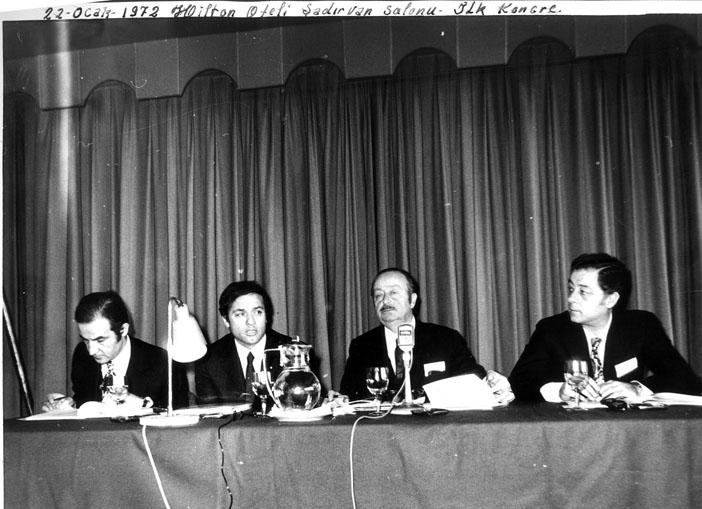
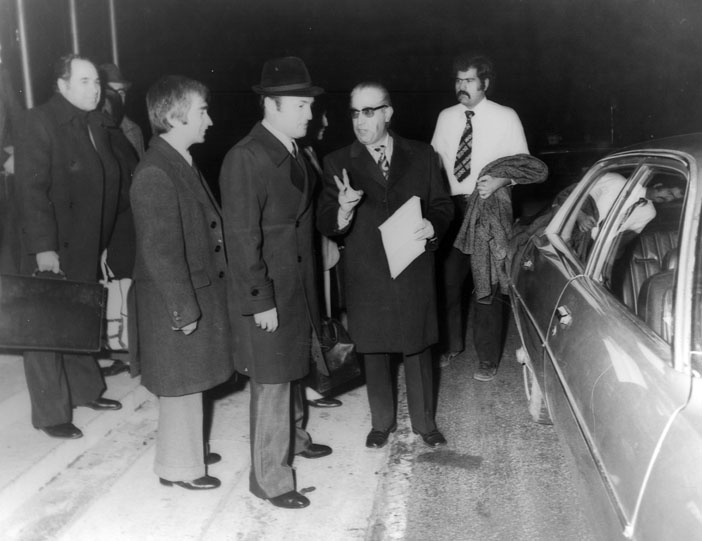
TÜSİAD succeeded to put the development and competition issue on the agenda of Türkiye at an early date, as if in a race with the world: It was early 70’s when TÜSİAD endorsed liberalization of the foreign trade. It added the membership to EEC that would become the EU of today to the national agenda in the second half of the 70’s. The independence of the Central Bank, the current hot topic, was discussed in 1979. The reduction of the share of the government economic activities and the liberalization of the capital movements were the subject of the public arguments of the 80’s with the contributions of TÜSİAD. In the second half of the 90’s, TÜSİAD drew attention to the sustainability of the Social Security system with a comprehensive report, brought forward the need for a new Constitution, and organized a seminar on the “Economy of Türkiye in the Centenary of the Republic”.
During the years of TÜSİAD, every decade added new dimensions to its contributions to the issues of sustainable development, affluent society, and democratic standards. In this decade, the main objective is the completion of the EU harmonization process, an objective cross-cutting every dimension of the development process. The harmonization process includes also catching up with the fourth industrial revolution “Industry 4.0”, internalizing the notion of inclusive growth and the strategically important constituents such as the youth, women, and SMEs, and shaping the growth process consequently.
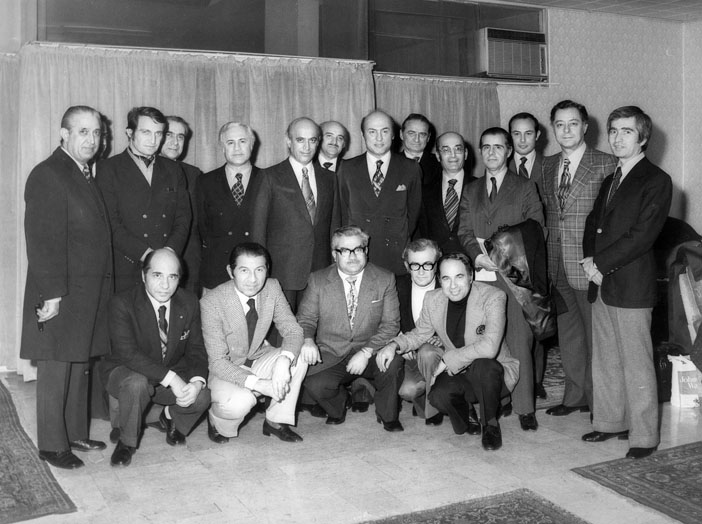
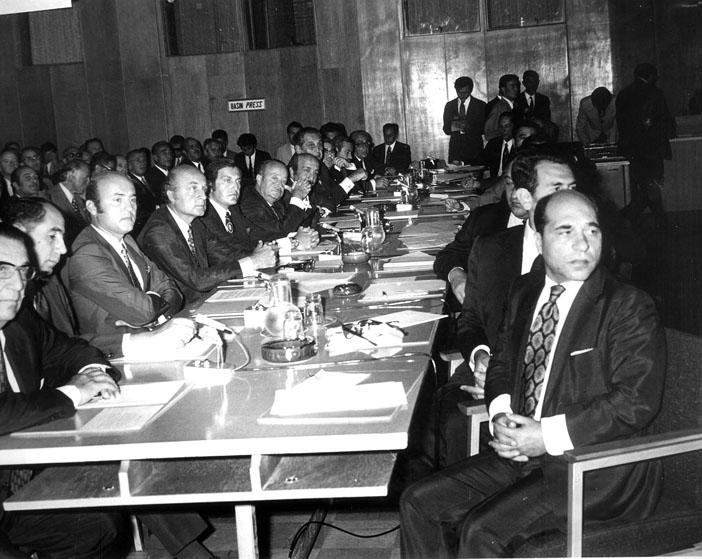
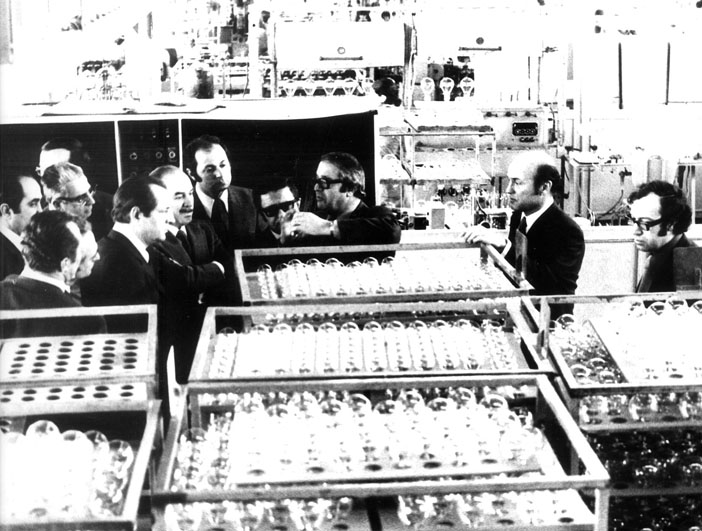
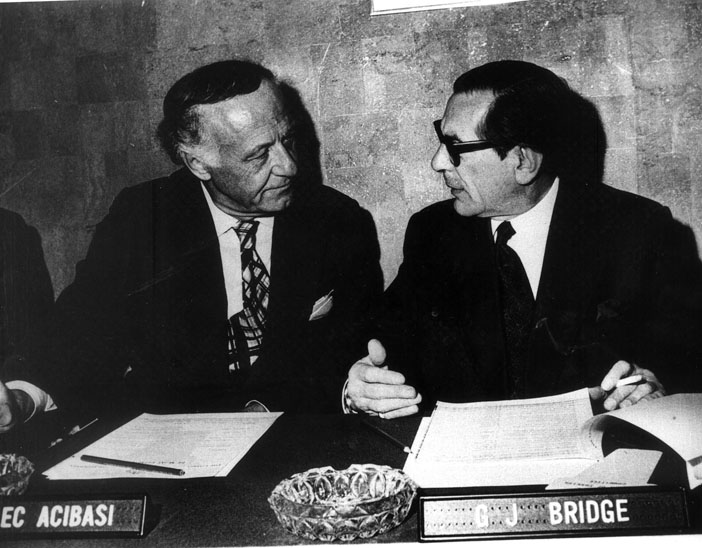
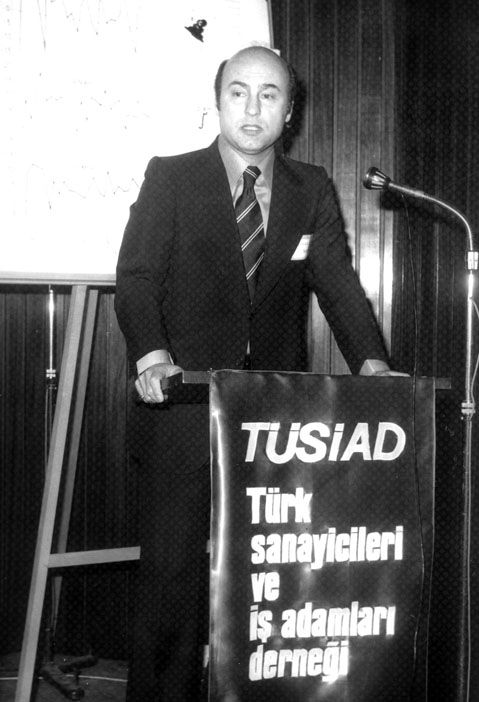
Founded in 70’s with a vision ahead of its time as an “Idea Factory” according to the expression of its founding members, TÜSİAD has been evolved to a think tank. It had an impact on its ecosystem, contributed to the development of the civil society of Türkiye in line with the universal norms and assisted to the establishment of the TÜRKONFED – Turkish Enterprise and Business Confederation that made possible the organization of the business community in every region of Türkiye.
Relying on the vision of its members who keep “freedom in the mind, freedom in their conscience” and on the institutional memory molded in its half century of existence, TÜSİAD will continue to work, produce, invest, create employment and strive to outperform itself, in order to make Türkiye a globally competitive country, an example of affluent society for its region and the world.
TÜSİAD Honorary Presidents
Feyyaz BERKER
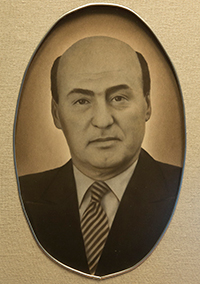
Rahmi M. KOÇ
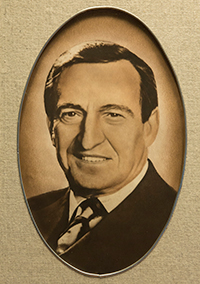
Bülent ECZACIBAŞI
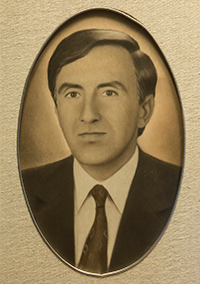
Muharrem KAYHAN
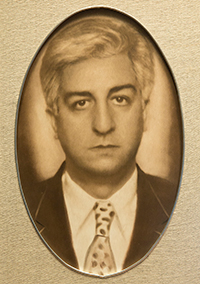
Mustafa V. KOÇ
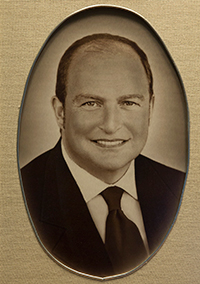
Ömer DİNÇKÖK
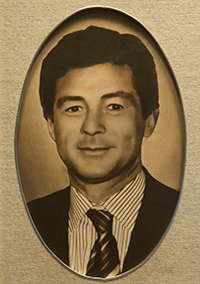
Erkut YÜCAOĞLU
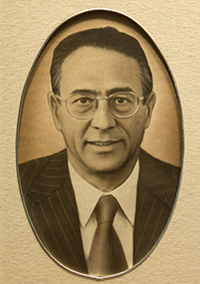
Tuncay ÖZİLHAN
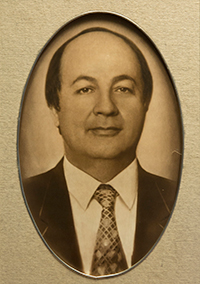
TÜSİAD Chairmans of the Board
Feyyaz BERKER
1971-1979
Ali KOÇMAN
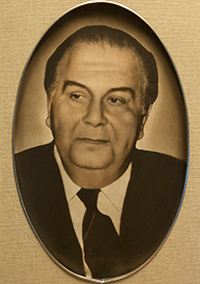
1980-1984
Şahap KOCATOPÇU
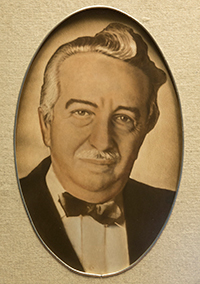
1985
Sakıp SABANCI
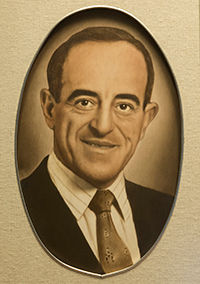
1986
Ömer DİNÇKÖK
1987-1988
Cem BOYNER
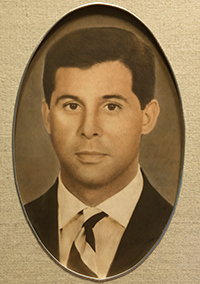
1989-1990
Bülent ECZACIBAŞI
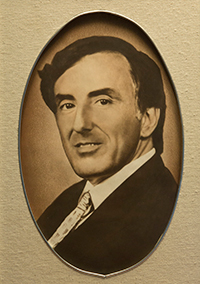
1991-1992
Halis KOMİLİ
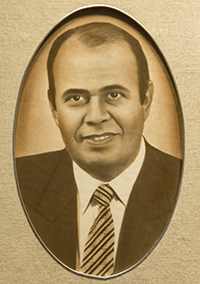
1993-1996
Muharrem KAYHAN
1997-1998
Erkut YÜCAOĞLU
1999-2000
Tuncay ÖZİLHAN
2001-2003
Ömer SABANCI
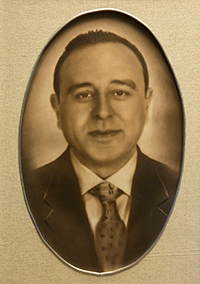
2004-2006
Arzuhan DOĞAN YALÇINDAĞ
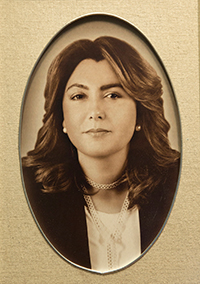
2006-2009
Ümit BOYNER

2010-2012
Muharrem YILMAZ
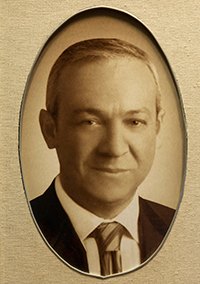
2013-06/2014
Haluk DİNÇER
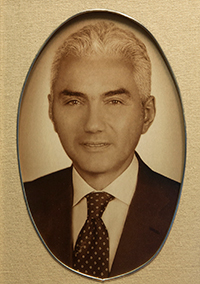
06/2014-12/2014
Cansen BAŞARAN-SYMES
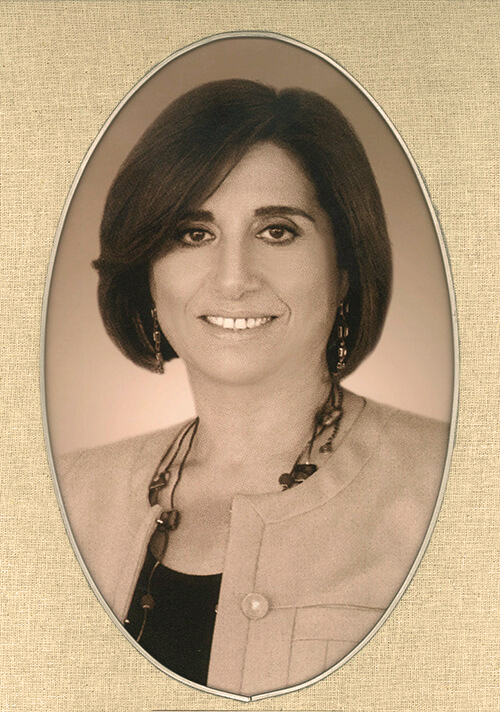
2015-2016
Erol BİLECİK
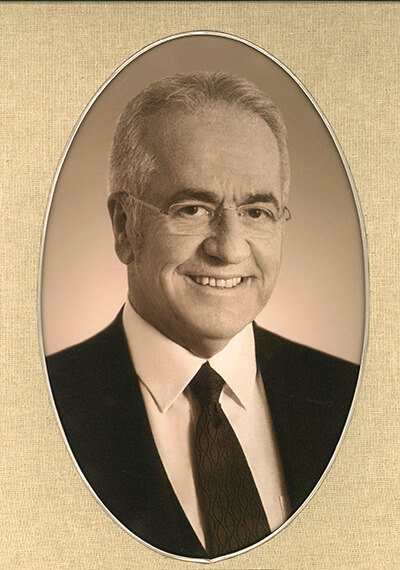
2017-2018
Simone KASLOWSKİ
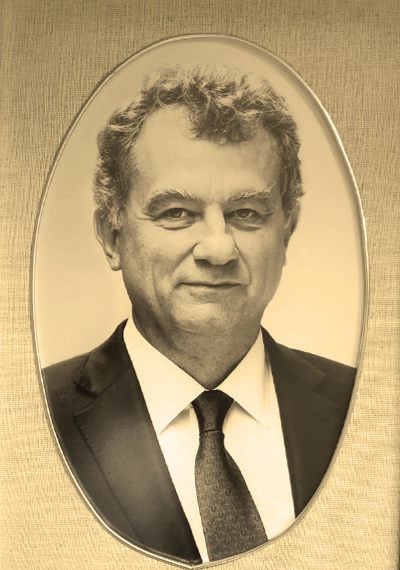
2019-2021
Orhan TURAN
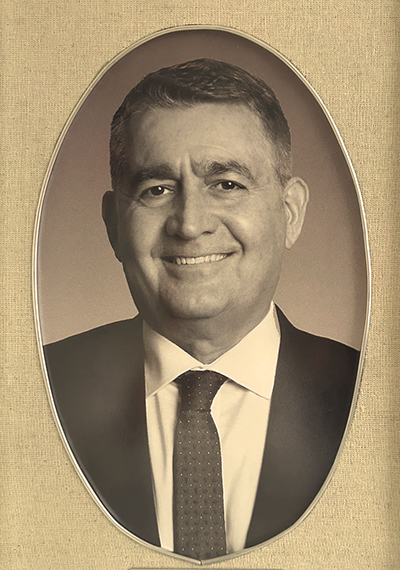
2022-2025
Chairmans of the High Advisory Council
Vehbi KOÇ
1971-1979
Nejat ECZACIBAŞI
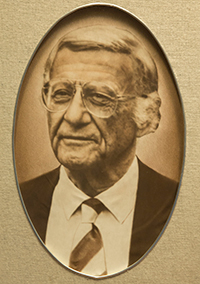
1980-1986
Sakıp SABANCI
1987-1989
Rahmi KOÇ
1990-1994
Feyyaz BERKER
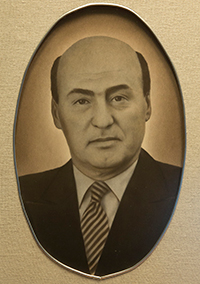
1995-1996
Bülent ECZACIBAŞI
1997-2000
Muharrem KAYHAN
2001-2004
Mustafa KOÇ
2005-2010
Erkut YÜCAOĞLU
2011-2014
Tuncay ÖZİLHAN
2015-2023



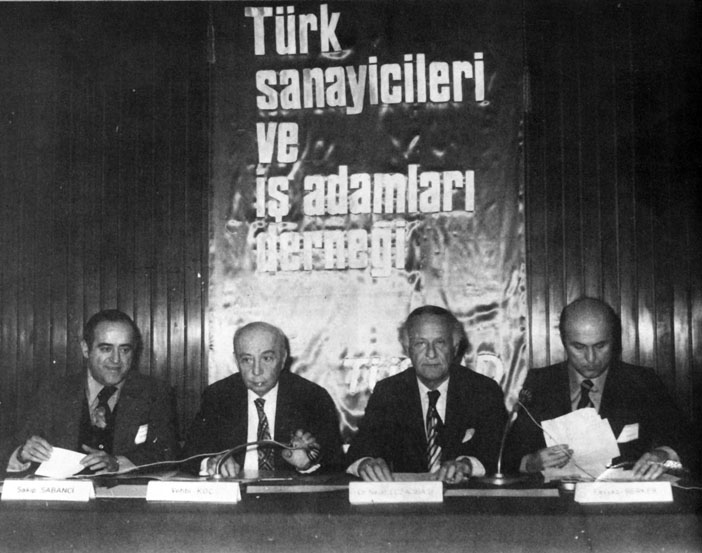


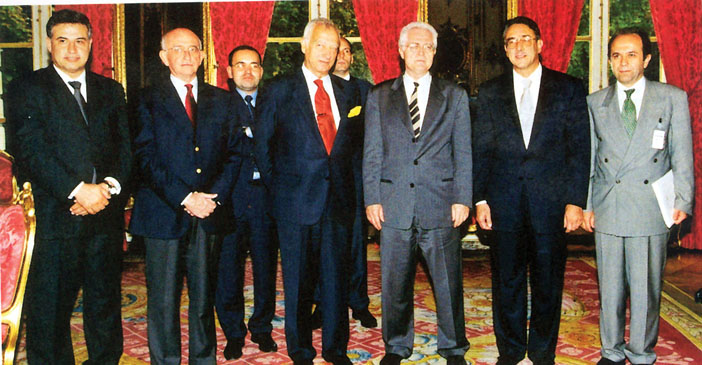
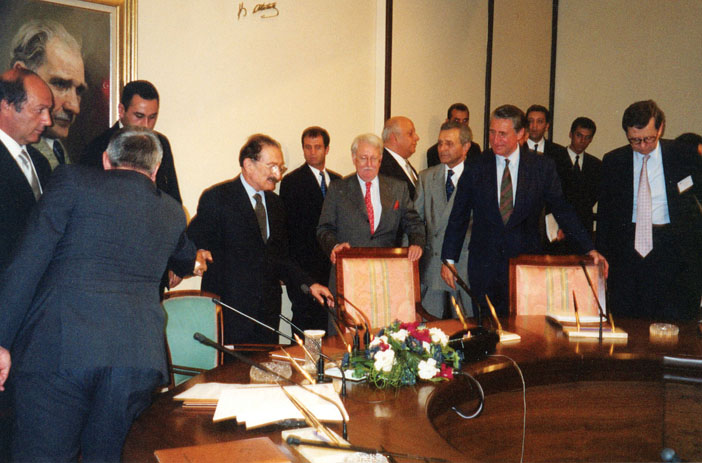
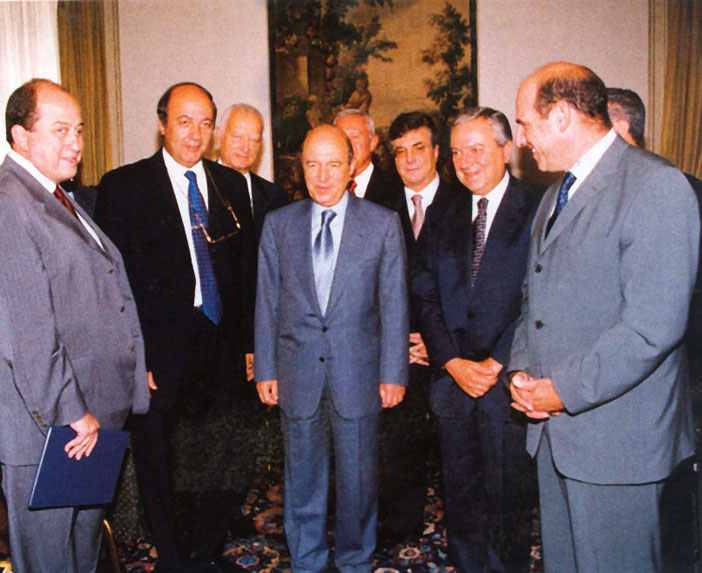




https://tusiad.org/en/tusiad/board-of-directors/itemlist/category/115-tusiad-about?start=0#sigProId0ca3290721
Name and Headquarters of the Association
Article 1 -The name of the association is “Turkish Industry and Business Association”. The acronym, TÜSİAD, will be used henceforth in the present Charter, in the activities and the communication media of the Association. The headquarters of the association is in Istanbul. It has no branches.
Aim of the Associaton
Article 2 - TÜSİAD aims to contribute to the formation and development of a social order in which the universal principles of human rights, freedom of thought, conviction and enterprise, the secular state of law, participatory democracy, the institutions and rules of a liberal economy, competitive market economy and sustainable environmental balance prevail. TÜSİAD holds activities for the purpose of fulfilling the main objective stated above, in line with the goals and principles set forth by Atatürk, with a view to attaining and surpassing the level of modern civilization, with the belief that businesspeople who support gender equality in politics, economy and education are a pioneering and entrepreneurial part of society.
TÜSİAD, as the representative institution of the Turkish business world working for the public interest, strives for entrepreneurs to operate in accordance with the principles of universal business ethics; and aims to improve Turkish competitiveness and social welfare, by way of increasing employment, productivity, innovation capacity, and constantly increasing the scope and quality of education.
TÜSİAD contributes to the formation of national economic policies in an environment of social peace and harmony, by making the best assessment of Türkiye’s regional and sectoral potential for the economic and social development of our country. It contributes to the promotion of Türkiye on a global scale and performs activities for the cultivation of international political, economic, social, and cultural relations, communication, representation and cooperation networks in order to support Türkiye’s European Union (EU) membership process. It conducts research, forms opinion, develops projects and organizes events in order to accelerate international integration and interaction as well as regional and local development.
TÜSİAD, on behalf of the Turkish business world, aims to establish a consensus of thought and action along the lines of the objectives stated above by communicating its position and recommendations to the Turkish Grand National Assembly, the government, other states, international bodies and public opinion either directly or indirectly via the media or other instruments.
Fields of Activity
Article 3 - All kinds of activities aimed at achieving the purpose of the association are within the scope of work of TÜSİAD. In this context, in order to realize its purpose, TÜSİAD,
- Works for the improvement of the Turkish business and investment climate; to foster common thinking and action in the business world in the areas of employment, working conditions, education, environmental protection, and social security.
- Works to ensure stable growth based on increased competition by constantly reviewing policies that increase productivity.
- Works towards the formation of economic activity in a competitive environment that is registered and based on rules, but free from regulations as much as possible.
- Works to increase foreign trade, diversify products and markets, and increase international investments in order to create an open and competitive economy.
- Contributes to the development of policies that will ensure Türkiye's EU membership, maintains regular institutional contacts and communication with the necessary national and international institutions in this effort; prepares and presents the opinions and proposals of the business world regarding the process.
- Communicates and enters into strategic cooperation with industry and business associations working along common principles at the national level; participates in federations and other higher organizations when necessary.
- Works to ensure that the Turkish business world is represented effectively in foreign countries, in international integrations and platforms, and when necessary, it opens international representative offices and becomes a member of organizations abroad.
- Can cooperate with domestic and foreign private and governmental institutions, universities, chambers of commerce and industry, stock exchanges, professional organizations, foundations, associations, unions and similar organizations, and create platforms. Can become a stakeholder, party or participant in national and international projects in areas relevant to its purposes.
- In order to achieve its objectives, it establishes working committees among its members, and working groups with the participation of experts. Carries out the secretariat function for the committees and working groups with the expert staff it employs.
- On behalf of the Turkish business world, directly participates in national and international policy-making and decision-making processes or effectively conveys its views. Uses all kinds of written and visual communication media in order to convey and communicate the opinions, papers, reports and similar studies directly to the public, to the Parliament, to the Government, to public institutions and agencies. Organizes meetings, seminars, congresses, conferences.
- The Association does promotional work so that the opinions, events, and reports by the committees and working groups within the framework of the Board of Directors resolutions of TÜSİAD, which are carried out with the aim of finding solutions to general political, economic, and social problems; are widely known and utilized by the public, both at home and abroad.
- Regarding activities in line with TÜSİAD’s purposes, it may acquire, establish, abandon and terminate all kinds of personal, in-kind, easement, rent and pre-emption rights on real estates, including mortgages, through the decision of the Board of Directors. Can earn as an Association such income, provided that it does not distribute it among its members and only to use it for its own purposes; can establish economic enterprises.
- When necessary, establishes a foundation in order to realize the purpose of the Association and receives and gives aid and donations; can accept conditional and unconditional wills.
Founders
Article 4 - The names, surnames, professions, residences and nationalities of the founding members of the Association are stated (in the attached list).
Principal Membership
Article 5 -
Individuals and legal entities that accept the purposes of the Association can become principal members of the Association. Those who will become members of the association must have the legal capacity to act and have completed the age of eighteen. In order to become a principal member of the association, it is necessary to be sponsored by two principal members. A decision shall be taken within 30 days by a majority decision of the Board of Directors about the proposed candidate, and the result shall be notified to the candidate in writing. The candidate whose application is accepted is recorded in the book designated for this purpose. The founders are the principal members of the association.
Those who are not Turkish citizens must have the right to reside in Türkiye, along with the conditions sought for Turkish citizens. Residence permit is not required for honorary membership.
Members of the association commit themselves to comply with the "Principles of Business Ethics" annexed to this charter.
Leaving the Membership
Article 6 - Members can leave the Association whenever they wish. They are required to notify their wishes in writing to the Board of Directors and to pay their debts due as of the date of such notification.
Termination of Membership
- Termination of membership:
- Those who lose the conditions sought in the law and the charter lose their membership rights.
- Members who do not pay their dues and/or participation fees are not admitted to the ordinary general assembly and subsequently lose their membership rights. In such cases, the Board of Directors takes its decision and notifies the member.
- Regarding those who act contrary to the charter of the association and the principles of business ethics in their work, attitudes and behaviors, or who raise concerns that such behaviors would damage the reputation of the association, the Board of Directors reports the member to the Disciplinary Committee in writing, stating the reasons. The Disciplinary Committee investigates the situation of the member. If it deems necessary, it requests the defense of the member and presents a report on the situation of the member to the Board of Directors. If the Board of Directors decides to expel the member, this decision is notified to the member by the Board of Directors.
- Suspension of membership Memberships of those who temporarily lose their eligibility to become a member of associations due to their special circumstances, and those who are assigned to positions in public institutions and agencies, are suspended at their own request and/or with the decision of the Board of Directors, and their membership record is stricken. If this temporary ineligibility of the member is lifted, the Board of Directors may decide on the continuation of the membership.
- Appeals A member who has been expelled or who has been suspended may appeal to the General Assembly, through the Board of Directors, against such decisions of the Board of Directors and the Disciplinary Committee, in writing within 15 days from the date of notification of the decision. If this appeal of the member reaches the Board of Directors at the latest 30 days before the date of the General Assembly, it is taken in the agenda of the first General Assembly. Otherwise, it is decided in the following General Assembly.
Honorary Membership
Article 8 - Honorary memberships may be granted to individuals from the academic and business world who are deemed worthy by the decision of two-thirds of the members of the Board of Directors attending the meeting. Honorary members may participate in the meetings and discussions in the General Assembly, but they may not vote.
Organs of the Association
Article 9 - The organs of the association are listed below:
- General Assembly
- Board of Directors
- High Advisory Council
- Auditing Board
- Disciplinary Committee
- Executive Committee
- Secretariat General
General Assembly
Article 10 - The General Assembly is composed of the principal members. It convenes in January each year.
Extraordinary meetings are held within thirty days at the latest when the Boards of Directors and Auditors deem it necessary, or upon the written request of one-fifth of the members of the Association. The General Assembly is called to meet by the Board of Directors. If the Board of Directors fails to call the General Assembly within a month upon the request of the Auditing Board or the written request of one fifth of the members of the Association, the local Magistrate, upon the application of the Auditing Board or one of the members requesting a meeting, may appoint a committee of three from among the members of the Association to call the General Assembly.
Right to participate:
In order for a member to attend the General Assembly, he or she must not have any dues and/or participation fees from the previous year.
Delinquent members are advised in writing before the member lists are prepared, and a payment period of at least two weeks is given from the date of the announcement.
Call procedure:
The Board of Directors prepares the list of members who have the right to attend the General Assembly in accordance with the Association's charter. Members who have not paid their dues and/or participation fees from the previous year in full are not entitled to attend the General Assemblies of the following year. Members who have the right to attend the General Assembly are invited to the meeting at least fifteen days in advance, by announcing the day, time, place and agenda in a newspaper or by notifying them in writing or by e-mail. In this call, the date, time and place of the second meeting shall be specified if the meeting cannot be held due to the lack of a quorum. The period between the first meeting and the second meeting cannot be less than seven days, and it cannot exceed sixty days.
If the meeting is postponed for any reason other than a lack of quorum, members are notified in accordance with the call procedure for the first meeting, including the reasons for the postponement. The second meeting must be held within six months from the date of adjournment. Members are called to the second meeting in accordance with the principles specified in the first paragraph.
The general assembly meeting cannot be postponed more than once.
Meeting Venue:
General Assembly meetings cannot be held in a place other than where the Association is domiciled.
Meeting procedures:
The general assembly convenes with the participation of the absolute majority of the members who have the right to participate, and with two-thirds of the members in the case of an amendment to the charter and the dissolution of the association. In the event of postponement due to a lack of majority, a majority is not sought in the second meeting. However, the number of members attending this meeting cannot be less than twice the total number of members of the board of directors and auditing board.
The list of members eligible to attend the General Assembly is made available at the meeting place. Identity documents issued by the public authorities of the members who will enter the meeting venue are checked by the members of the Board of Directors or the staff assigned by the Board of Directors. Members enter the meeting venue by signing against their names on the list prepared by the Board of Directors.
If the meeting quorum is met, this is recorded by an official report and the meeting is opened by the President of the Board of Directors or one of the members of the board assigned by the President. If the meeting quorum is not met, an official report is drawn up by the board of directors.
After the opening, a meeting council to preside over the meeting is formed by electing a chair, a vice chair and a sufficient number of clerks.
In a vote for the election of the bodies of the association, it is obligatory for the voting members to show their identity cards to the meeting council and to sign opposite their names on the list of attendees.
The management and security of the meeting rest with the chair of the meeting council.
In the general assembly, only the items on the agenda are discussed. However, any issues that are requested in writing to be discussed by at least one tenth of the members present at the meeting must be included on the agenda.
Each member has one vote at the general assembly; the member has to use the vote personally. Honorary members may attend general assembly meetings, but cannot vote. If the member is a legal entity, the president of the board of directors or the person assigned to represent the legal entity may vote.
The topics discussed and the decisions taken at the meeting are written down as minutes and signed by the chair of the meeting council and the clerks. At the end of the meeting, the minutes and other documents are delivered to the President of the Board of Directors. The President of the Board of Directors is responsible for preserving these documents and delivering them to the newly elected Board of Directors within seven days.
Duties and Powers of the General Assembly
Article 11 - Duties and powers of the General Assembly:
The following matters are discussed and resolved by the General Assembly.
- Election of the organs of the Association, who shall be elected by the General Assembly as per the Charter.
- Amending the Association's Charter,
- Discussing the reports of the Board of Directors and Auditors, acquitting the Board of Directors,
- Discussing and accepting the budget prepared by the Board of Directors as it is or by amending it,
- Authorizing the Board of Directors for the purchase of necessary immovable properties or the sale of existing immovable properties,
- The association's joining or leaving the federations and authorizing the Board of Directors in these matters,
- The approval of association's international activities, joining or leaving associations or organizations abroad as a member,
- To decide on the appeals made against the decisions of expulsion from membership and suspension of membership.
- Dissolution of the Association,
- Fulfilling other duties of the General Assembly set by the legislation and the Association's Charter.
High Advisory Council
Article 12 - The High Advisory Council is the highest advisory body of the Association. All members of the association are also members of the Council. The Presidential Committee of the High Advisory Council, consisting of seven members, is elected for a two-year term at the General Assembly meeting. The Council meets at least twice a year upon the invitation of the President of the Council to discuss and to decide on its issues. Council decisions are of a consultative nature and are not binding upon the Board of Directors.
Depending on the nature of the agenda, representatives of the Legislative, Executive, and Judiciary branches, non-governmental organizations, professional organizations that have public legal personality and their superior organizations, members of academic institutions and association members who are not Council members may be invited by the Council Presidency for an exchange of views. These individuals may not participate in voting at the Council.
The main tasks of the Council are:
- To review the general progress and problems of Turkish industry and business and to shed light on long-term measures,
- To assess the strategies to be adopted and to make recommendations in order to achieve the objectives of the association in the most appropriate way.
- To examine the activities of the association in terms of their pertinence to the purposes and effectiveness in obtaining results, and to recommend the necessary measures.
Board of Directors
Article 13 - The Board of Directors consists of twelve principal and twelve alternate members to be elected by the General Assembly among the principal members of the Association by secret ballot for two years. It is possible for the candidates to participate in the elections by creating a "Candidate List". It is possible for a member whose term has expired to be re-elected. The Secretary General to be appointed pursuant to Article 18 of the present Charter is a natural member of the Board of Directors. The Secretary General attends meetings but does not have the right to vote. At the first meeting to be held after the election, the Board of Directors elects a President, three Vice-Presidents and a Treasurer for two years by open vote. The President of the Board of Directors may be re-elected for two consecutive terms. It is possible for the former President to be re-elected after a one-term break.
Duties and Powers of the Board of Directors
Article 14 - The duties and powers of the Board of Directors are:
- To govern the association in line with the purposes and activities enshrined in the charter of the association, to take and implement all kinds of decisions within its authority in this framework,
- To represent the association or to authorize one or more of its members for this purpose,
- To make transactions regarding the income and expense accounts of the association, to appoint and to authorize the person or persons who will collect revenues on behalf of the association, and to cancel their authorization,
- To prepare regulations, that are not contrary to the Association's charter, on all the activities of the association for the purpose of implementation by the members, association bodies and staff.
- To prepare the budget for the next period and to determine the entrance fee, annual fee and member participation fees consistent with the budget revenues,
- To take necessary actions against the members who did not pay their annual dues and participation fees,
- To decide on the expulsion of a member according to the report containing the opinions of the Disciplinary Committee and to notify the member in writing,
- To appoint the Secretary General and his/her employment conditions,
- To elect and authorize a consultative "Membership Application Evaluation Board" of three persons among the members of the association.
- To elect delegates to represent the Association in the federations that the Association has decided to join
- To implement the decisions taken in the general assembly, to ensure the implementation of the budget
- To prepare the association's account statement or balance sheet and income statement and the report explaining the work of the Board of Directors at the end of each operating year, and presenting it to the general assembly when convened,
- To carry out other activities and to use the powers given by the association's charter and by the legislation,
- Provided that it is within the authority it receives from the general assembly, to purchase immovable property, to accept an immovable as a donation or a grant, to sell existing immovables and to establish mortgages and other rights on an existing or immovables to be acquired on behalf of the Association; to establish pledges, mortgages or other rights in favor of the Association.
Disciplinary Committee
Article 15 - The Disciplinary Committee consists of three full and three alternate members elected for two years from among the principal members of the General Assembly. In its first meeting, it determines its own working procedures. The Disciplinary Committee convenes as necessary and forms an opinion on the issues presented by the Board of Directors; prepares the report.
Auditing Board
Article 16 - The Auditing Board, consisting of three full and three alternate members elected by the General Assembly for two years from among the principal members, shall audit whether the association operates in line with the purpose and the work to be carried out in order to realize the purpose stated in its charter, whether the books, accounts, and records are kept in accordance with the legislation and the association's charter.
Members of the Auditing Board, individually or as a committee, can anytime inspect the books of the Association. The Board of Directors and the Secretary General are obliged to submit the documents, books and information requested from them for examination by the members of the Auditing Board.
It performs its audit duty at intervals not exceeding six months. It presents the results in a report to the Board of Directors and to the General Assembly when convened. The Auditing Board calls the General Assembly for a meeting when necessary.
Executive Committee
Article 17 - The Executive Committee consists of the President of the Board of Directors, three Vice-Presidents, the Treasurer and the Secretary General. It manages its affairs within the framework of the decisions taken and the authorities given by the Board of Directors. It is responsible to the Board of Directors.
Secretary General
Article 18 - The Board of Directors appoints a professional Secretary General who has senior management qualifications from among the members of the Association or from outside. The Secretary General is obliged to attend the meetings as a natural member of the Board of Directors, but does not vote. Duties and powers of the Secretary General:
- To represent the Association within the framework of the authority given by the Board of Directors,
- To ensure, as the highest official of the Association staff, that all services and obligations of the Association are fulfilled in accordance with the programs determined by the General Assembly and the Board of Directors and in compliance with the legislation.
- To ensure the implementation of the activity program determined by the Board of Directors.
Income Sources of the Association
Article 19 - The income sources of the association are listed below:
- Membership Fee: The members shall pay entrance fee, annual fee and participation fee. The General Assembly is authorized to increase or decrease these amounts upon the proposal of the Board of Directors.
- Voluntary donations and grants made by real and legal persons to the association.
- Income from publications, seminars, conferences and similar activities made by the association,
- Income from the properties of the association,
- Donations and aids to be collected in accordance with the provisions of the legislation on aid collection.
- Earnings from commercial activities undertaken by the Association to provide the income needed to achieve its purpose.
- Revenues for the projects funded from abroad
- Other income.
Books and Records of the Association
Article 20 - The Association keeps the books that must be kept in line with the legislation. In addition, other books that are required to be kept by the board of directors may be kept. The books to be kept by the Association on balance sheet basis and the principles to be followed are as follows:
- Decision Book: The decisions of the board of directors are written down in this book in order of date and sequence number, and the members attending the meeting sign beneath them.
- Member Registry: Identity information, dates of entry and exit of the members of the association are recorded in this book. Entry fees and annual dues paid by members can be recorded in this book.
- Document Registry: Incoming and outgoing documents are recorded in this book with date and sequence number. The originals of incoming documents and the copies of outgoing documents are filed. Printed copies of incoming and outgoing e-mail documents are stored.
- Receipt Registry: The serial and sequence numbers of the receipts, the names, surnames and signatures of the persons who received and returned these documents, and the dates are recorded in this book.
- Journal, General Ledger and Inventory Book: The method of keeping and making entries in these books is made in accordance with the Tax Procedure Law and the General Accounting System Implementation Communiqués published by the Ministry of Finance.
The required books are certified by the Provincial Directorate of Associations or notary public before they are used by the Association.
Revenue and Expenditure Transactions
Article 21 - A “Receipt” is issued for revenues collected by the association (a sample is found in Annex-17 of the Regulation on Associations). In case the revenue is collected through banks, documents such as bank receipt or account statement may replace the receipt.
The expenses of the association are certified using expenditure documents such as invoice, sales receipt, auto-entrepreneur receipt. However, for the payments within the scope of Article 94 of the Income Tax Law, an expense note is issued in accordance with the provisions of the Tax Procedure Law. For other payments that are not within this scope, an "Expense Voucher" is issued (sample is in ANNEX-13 of the Regulation on Associations).
Deliveries of free goods and services to be made by the association to individuals, institutions or organizations are made with the “Aid in Kind Delivery Document” a sample is found in Annex-14 of the Regulation on Associations). Free goods and services to be delivered to the Association by individuals, institutions or organizations are accepted with the “Certificate of Receipt of Donation in Kind” (a sample is found in Annex-15 of the Regulation on Associations).
Borrowing Procedures of the Association
Article 22 - In order to realize its purpose and carry out its activities, the association may borrow with a decision of the board of directors, if needed. This borrowing may be in the form of purchase of goods and services on credit, or it may be cash. However, this borrowing cannot be made in amounts that cannot be covered by the income of the association and in a way that will make the association insolvent.
Obligation to Notify
Article 23 - Associations are obliged to submit their annual activities and results of income and expenditure transactions to the local authority by the end of April each year, with a declaration. The address of the representative offices is notified in writing to the local administrative authority by the person(s) appointed as the representative by the decision of the board of directors.
Other notifications to the local authority.
Notification of General Assembly ResultsThe “Notification of General Assembly Results” document and its annexes (as shown in Annex 3 of the Regulation on Associations), which enlist the principal and substitute members elected to the Board of Directors, Auditing Board and other bodies, are notified to the local authority by the President of the Board of Directors within thirty days following an ordinary or extraordinary general assembly.
General Assembly result notification shall have these annexes:
- A copy of the General Assembly Minutes signed by the Chair, Vice-Chairs and the Secretary of the Meeting Council,
- If the charter is amended, a copy of the new and old versions of the amended articles and the final form of the association's charter with the signature of the board of directors on each page.
The immovables acquired by the association are notified to the local authority by filling out the “Immovable Property Statement” (presented in Annex-26 of the Regulation on Associations) within thirty days from the registration to the land registry.
Notification of Aid Coming from AbroadIn case of receiving aid from abroad, the association, notifies the local authority before receiving assistance, by filling out the "Notification of Aid from Abroad" (specified in Annex-4 of the Regulation on Associations) in two copies.
A copy of the decision of the board of directors regarding receiving aid from abroad, the protocol, contract and similar documents, if any, and a copy of the receipt, bank statement and similar document relating to the account to which the aid is transferred are also attached to the notification form. Cash aids must be received through banks and the notification requirement must be fulfilled before they are used.
Notification of Joint Projects with Public Institutions and AgenciesThe joint projects carried out with public institutions and agencies on subjects related to the field of activity of the Association are notified to the governorship of the place where the association is domiciled within one month following the protocol date, using the Project Notification Form (shown in Annex-23 of the Regulation on Associations), attaching the protocol and the copy of the project.
Notification of ChangesAny change in the address of the association is notified, by filling in the "Domicile Change Notification" (specified in Annex-24 of the Regulation on Associations), and changes made in the bodies of the association outside the general assembly meeting are notified, by filling the "Notification of Changes in the Bodies of the Association" specified in Annex-25 of the Regulation on Associations), to the local authority within thirty days following the change.
Amendments to the charter of the association are notified to the local authority in the annex of the general assembly result notification within thirty days following the general assembly meeting where the charter is amended.
Internal Audit of the Association
Article 24 - Internal audits can be carried out by the General Assembly, the Board of Directors or the Auditing Board, as well as by independent audit firms. Auditing by the General Assembly, Board of Directors or independent audit firms does not replace the obligation of the Auditing Board.
Amendments to the Charter
Article 25 - Amendments to the charter can be made by the decision of the General Assembly.
Two-thirds of the members who are eligible to attend the General Assembly are required to be present in order to amend the Charter. In case the meeting is postponed due to lack of majority, a quorum is not sought in the second meeting. However, the number of members attending this meeting cannot be less than twice the total number of members of the board of directors and auditing board. In both meetings, the majority required to amend the charter is two-thirds of the votes of the members having the right to vote who attend the meeting.
Dissolution and Liquidation of the Association
Article 26 - The general assembly may decide to dissolve the association at any time.
The affirmative votes of two-thirds of the members who have the right to attend the general assembly are required to discuss the dissolution of the association at the general assembly. In case the meeting is postponed due to lack of majority, a quorum is not sought in the second meeting. However, the number of members attending this meeting cannot be less than twice the total number of members of the board of directors and auditing board.
The majority required for the dissolution decision is two-thirds of the votes of the members attending the meeting and having the right to vote.
Liquidation ProceduresWhen the dissolution decision is made by the general assembly, the liquidation of the money, property and rights of the association is made by the liquidation board, which consists of the members of the last board of directors. These procedures start from the date of the general assembly decision regarding the dissolution or when the automatic dissolution becomes definitive. The name to be used for the association in all transactions during the liquidation period is “Turkish Industry and Business Association in Liquidation Process”
After the collection of receivables and payment of debts, all remaining money, property and rights are transferred to the recipient determined in the general assembly. If a recipient is not determined in the general assembly, it is transferred to a non-governmental organization or foundation that has the closest aim to the purpose of the association.
Following the completion of the liquidation and transfer of the money, property and rights of the association, the liquidation board shall notify the situation to the public authority of the place where the association is domiciled, within seven days, and the liquidation report must be attached to this notification.
Absence of Provision
Article 27 - In matters not specified in this charter, the Law on Associations, Turkish Civil Code, the Regulation on Associations and the provisions of other relevant legislation applicable to associations shall apply.
THE FOUNDERS ARE AS FOLLOWS:
|
|
TÜRKONFED
 TÜSİAD is a firm believer in the primary role of local, regional and national voluntary business organizations in the development of an aware and participatory society. In this context, TÜSİAD works towards building closer and more continuous relations with these organizations gathered under the confederation TURKONFED. Relations starting with the visits to Industrialists’ and Businessmen’s Associations 20 years ago, today, continue with memberships of the federations under TÜRKONFED. TÜSİAD is member of the Sectoral Associations Federation and 20 regional federations under TÜRKONFED.
Global Business Coalition
 B20 Coalition, of which TÜSİAD has been one of the founding members since 2012, has decided to rebrand itself in November 2016 into The Global Business Coalition (GBC).
The Global Business Coalition (GBC), based in Paris, brings together leading independent business associations from the major world economies and advocates on behalf of more than 6.8 million small, medium and large companies. GBC operates as a worldwide platform of exchanges between national business communities, and aims at building consensus and developing common positions on issues critical for enterprises.
GBC MEMBERS: Ai Group, Australia — BDI, Germany — BUSA, South Africa BusinessEurope, Europe — CBI, United Kingdom — CCC, Canada CEOE, Spain — CII, India — CNI, Brazil — Confindustria, Italy — FKI, South Korea MEDEF, France — TÜSİAD, Turkey — UIA, Argentina — US Chamber, USA
Union of Mediterranean Confederation of Enterprises (BUSINESSMED)

The Union of Mediterranean Confederations of Enterprises (BUSINESSMED) was established during the Second Euro-Mediterranean Private Sector Summit held in İstanbul in March 2002. A founding member of the Union, TÜSİAD has been an observing member since 2009. BUSINESSMED is formed by the industrial federations of the 11 Mediterranean countries (Algeria, Morocco, the Palestinian Autonomous Territories, Israel, Cyprus, Lebanon, Malta, Egypt, Syria, Jordan and Tunisia) that take part in the European-Mediterranean cooperation process. The federations of Turkey, Italy, France, Spain and Greece are observer members of BUSINESSMED and the Mauritanian Federation is an associate member.